










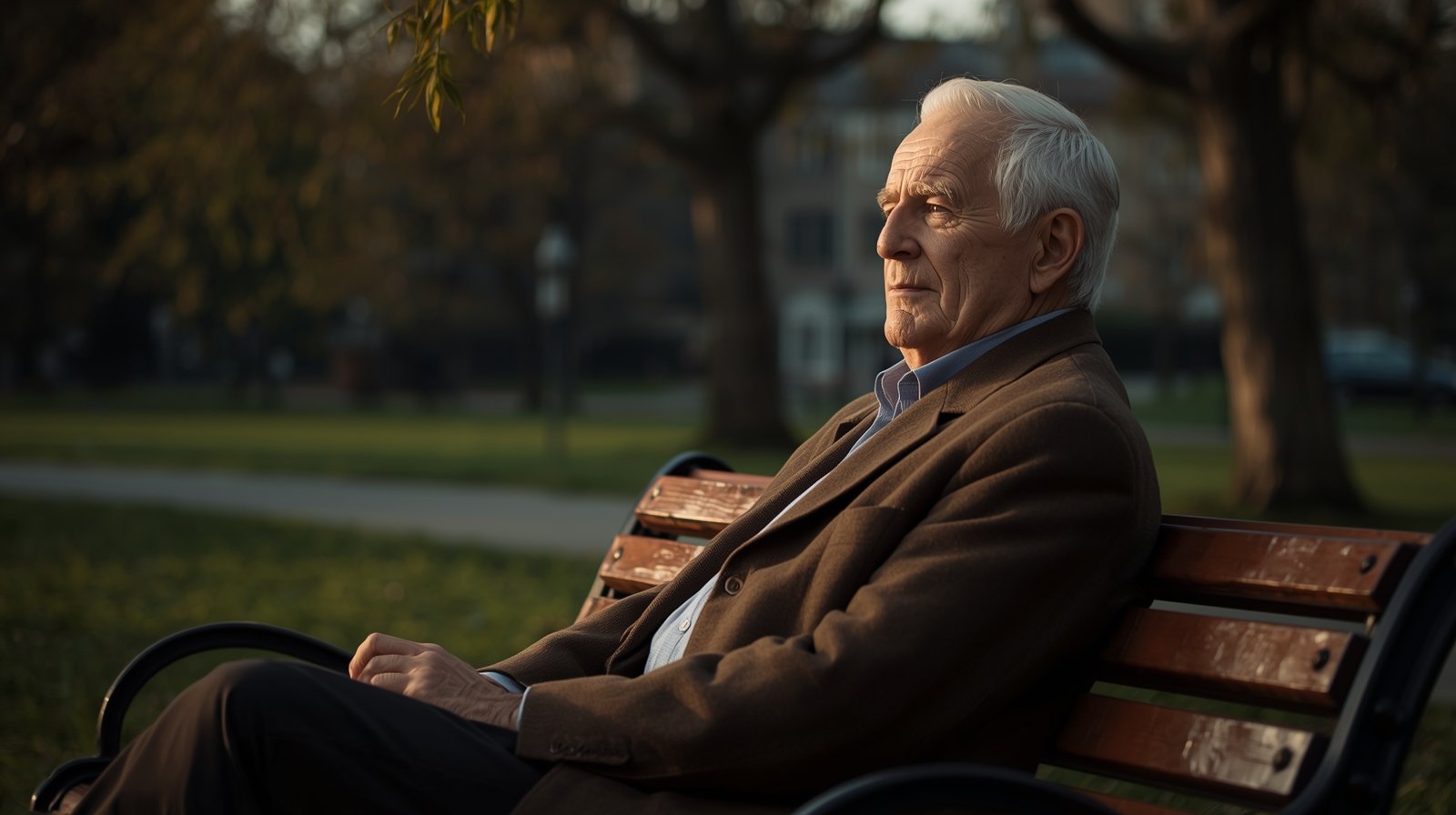
One of the most unsettling aspects of later-life transitions is the feeling that change never quite stops. Just as one adjustment settles, another shift appears, with roles evolving, routines changing, and priorities realigning. This ongoing motion can make stability feel permanently out of reach.
Many people assume stability only arrives once change ends. In reality, stability often develops within ongoing change rather than after it. Understanding this distinction can significantly reduce anxiety during this phase of life.
Why Stability Feels Elusive During Transition
Earlier in life, stability is often created through fixed external structures. Work schedules, family roles, and predictable routines provide a steady framework that supports emotional balance. When these structures remain intact, stability feels automatic.
After 50, many of these structures loosen or dissolve. Stability becomes less about fixed arrangements and more about internal orientation. This shift can feel disorienting at first.
This change in how stability functions helps explain why transitions often feel heavier at this stage. The broader dynamics behind this experience are explored in Why Major Life Transitions Feel Harder After 50.
Stability Is Not the Absence of Change
A common misconception is that stability requires life to stop changing. When change continues, people may conclude they are failing to settle in or adapt properly. This belief can quietly intensify stress.
In practice, stability often looks like consistency in values, perspective, and self-understanding. Circumstances may evolve, but internal reference points remain steady. This form of stability is less visible but more durable.
Reframing stability in this way allows steadiness to emerge without waiting for life to become static. It also reduces pressure to “arrive” at a finished state.
How Pace Supports Emotional Steadiness
One of the first places stability often appears is in pace. A rhythm that aligns with current energy, priorities, and capacity creates a sense of grounding. Pace becomes a quiet form of self-regulation.
When internal pace is respected, external change feels less disruptive. Transitions still occur, but they feel more manageable. The nervous system has space to adjust.
This relationship between pace and steadiness is explored further in Adjusting to a Slower Pace of Life Without Feeling Left Behind, which looks at why slowing down often precedes emotional stability.
Integrating Grief Without Being Overwhelmed
Emotional stability does not require the absence of grief. During transitions, grief often surfaces alongside relief, hope, or curiosity. These emotions can coexist without canceling one another.
Integration means allowing grief to be present without letting it dominate the emotional landscape. This balance develops gradually rather than through force. Many people find it becomes easier with understanding.
This process is explored more fully in Why Transitions Can Trigger Grief Even When They’re Positive, which explains why mixed emotions are a normal part of change.
Identity as an Anchor
When roles change, identity can feel unsettled. Over time, many people discover that identity becomes less about roles and more about enduring qualities. Values, temperament, and perspective often remain stable.
This realization can be deeply reassuring. It helps reduce the fear that change automatically means loss of self. Identity becomes an anchor rather than a moving target.
As internal anchors strengthen, external shifts feel less threatening. Stability begins to feel portable rather than conditional.
A Realistic Example of Emerging Stability
A 62-year-old man retires, downsizes, and takes on new family responsibilities within a short period. At first, the changes feel relentless and destabilizing. There is little time to recover between adjustments.
Gradually, he notices that while circumstances continue to shift, his responses stabilize. He reacts more thoughtfully, rests when needed, and feels less pressure to keep up. Familiarity replaces urgency.
Stability does not arrive all at once. It emerges through repetition, self-trust, and lived adjustment.
Why Stability Develops Gradually
Stability after 50 is rarely immediate. It develops through reflection, repetition, and experience. Expecting instant steadiness can create unnecessary frustration.
Allowing time supports emotional integration. Patience often becomes a stabilizing force in itself.
Living With Change Without Feeling Unmoored
Finding stability while life is still changing is less about controlling circumstances and more about cultivating internal steadiness. This steadiness grows quietly as understanding deepens. It does not require life to stop evolving.
As internal stability strengthens, change becomes less threatening and more navigable. Many people find that confidence returns gradually rather than suddenly.
For a broader view of how stability fits into later-life change, see Navigating Major Life Transitions After 50, which explores the wider landscape of transition.