










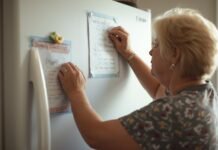

Home Safety and Aging-in-Place Checklist
Most homes were not originally designed with aging in mind. Small hazards that once seemed minor can gradually become more important over time, especially when balance, vision, mobility, or reaction time changes.
The good news is that many home safety improvements are simple, affordable, and highly effective. Often, small adjustments can make daily life safer, easier, and more comfortable without dramatically changing your home.
This checklist is designed to help you think through common home safety areas calmly and practically. It is not meant to create fear or pressure. The goal is simply to identify opportunities that may help improve comfort, confidence, and independence over time.
Why Home Safety Matters More With Age
As people grow older, everyday home environments can begin presenting new challenges. Changes in balance, strength, flexibility, hearing, medication use, and eyesight can all affect how safely a person moves through their living space.
Even very active adults may benefit from reviewing common safety areas before a problem develops.
Home safety planning can help:
- Reduce fall risks
- Improve confidence while moving around the home
- Support independent living longer
- Make caregiving easier if support becomes needed later
- Reduce stress for both older adults and family members
What This Checklist Reviews
The Home Safety Checklist walks through several important areas of the home, including:
- Walkways and flooring
- Lighting and visibility
- Bathrooms and shower safety
- Stair safety
- Kitchen organization
- Emergency preparedness
- Medication organization
- General fall prevention concerns
After completing the checklist, you will receive a simple summary highlighting areas that may deserve attention.
Most Safety Improvements Are Small
Many people assume home safety changes require major remodeling. In reality, some of the most effective improvements are surprisingly simple.
Examples may include:
- Adding brighter lighting
- Removing loose rugs or cords
- Installing grab bars in bathrooms
- Improving stair visibility
- Reorganizing frequently used items
- Creating easier nighttime pathways
Even modest changes can make everyday movement safer and more comfortable.
Use the Home Safety Checklist
Aging in Place
Home Safety & Aging-in-Place Checklist
Check what is already in place. Your results will highlight practical, non-alarming areas to review.
Helpful Tips While Using the Checklist
- Walk through the home slowly and honestly.
- Think about both daytime and nighttime safety.
- Consider how the home would function during illness or temporary injury.
- Focus first on the areas used most often.
- Remember that improvements can happen gradually over time.
Who This Checklist May Help
- Adults over 50 planning ahead
- Older adults living independently
- Family caregivers
- Adult children helping aging parents
- Anyone preparing for aging in place
Related Articles
- Simple Home Changes That Support Aging in Place
- Common Fall Risks Many Older Adults Overlook
- How Lighting Affects Home Safety After 50
- When to Start Planning for Aging in Place
Important: This checklist is intended for general educational and organizational purposes only. It is not a substitute for professional medical advice, occupational therapy guidance, home inspection services, or emergency planning expertise.